Your Custom Text Here
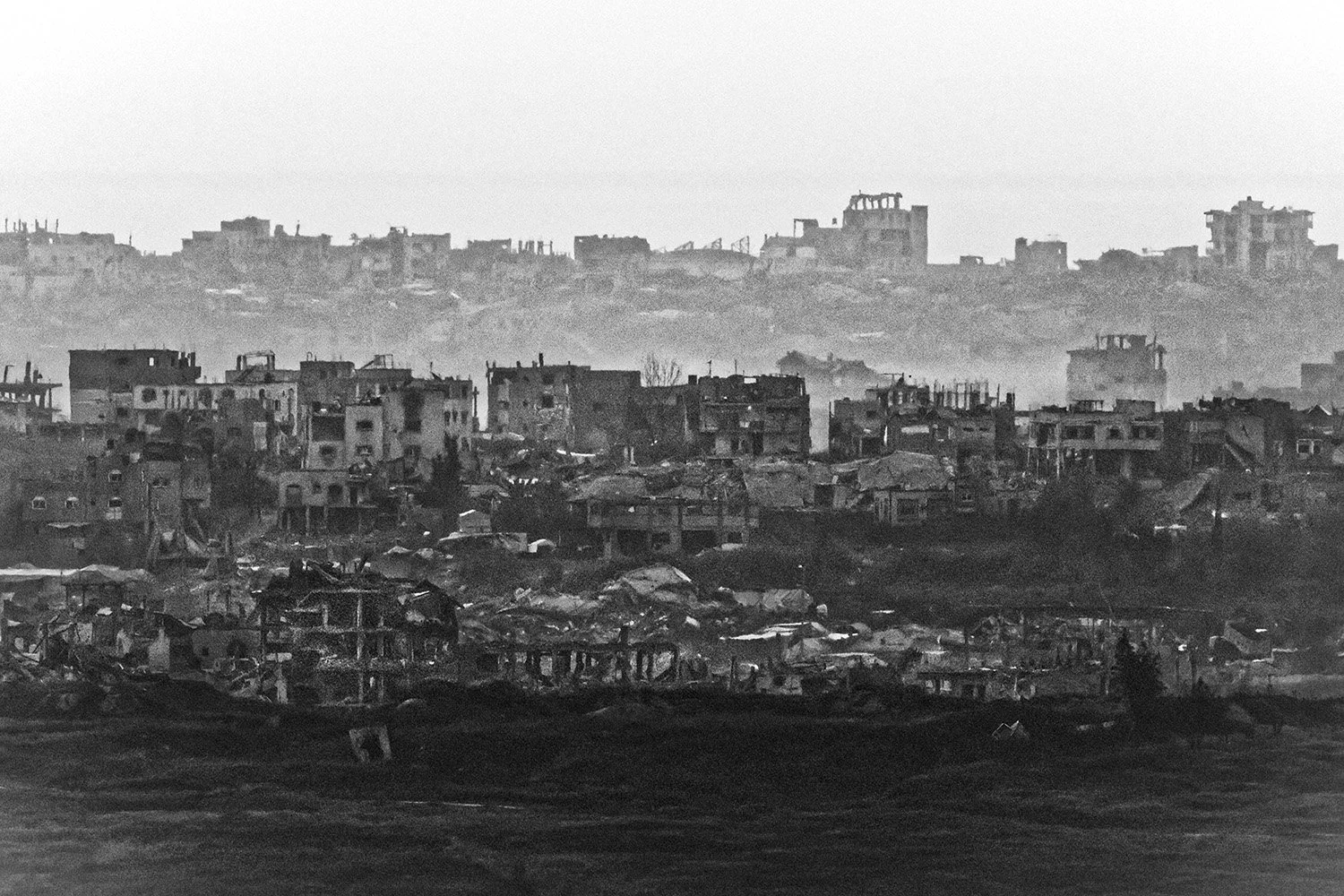
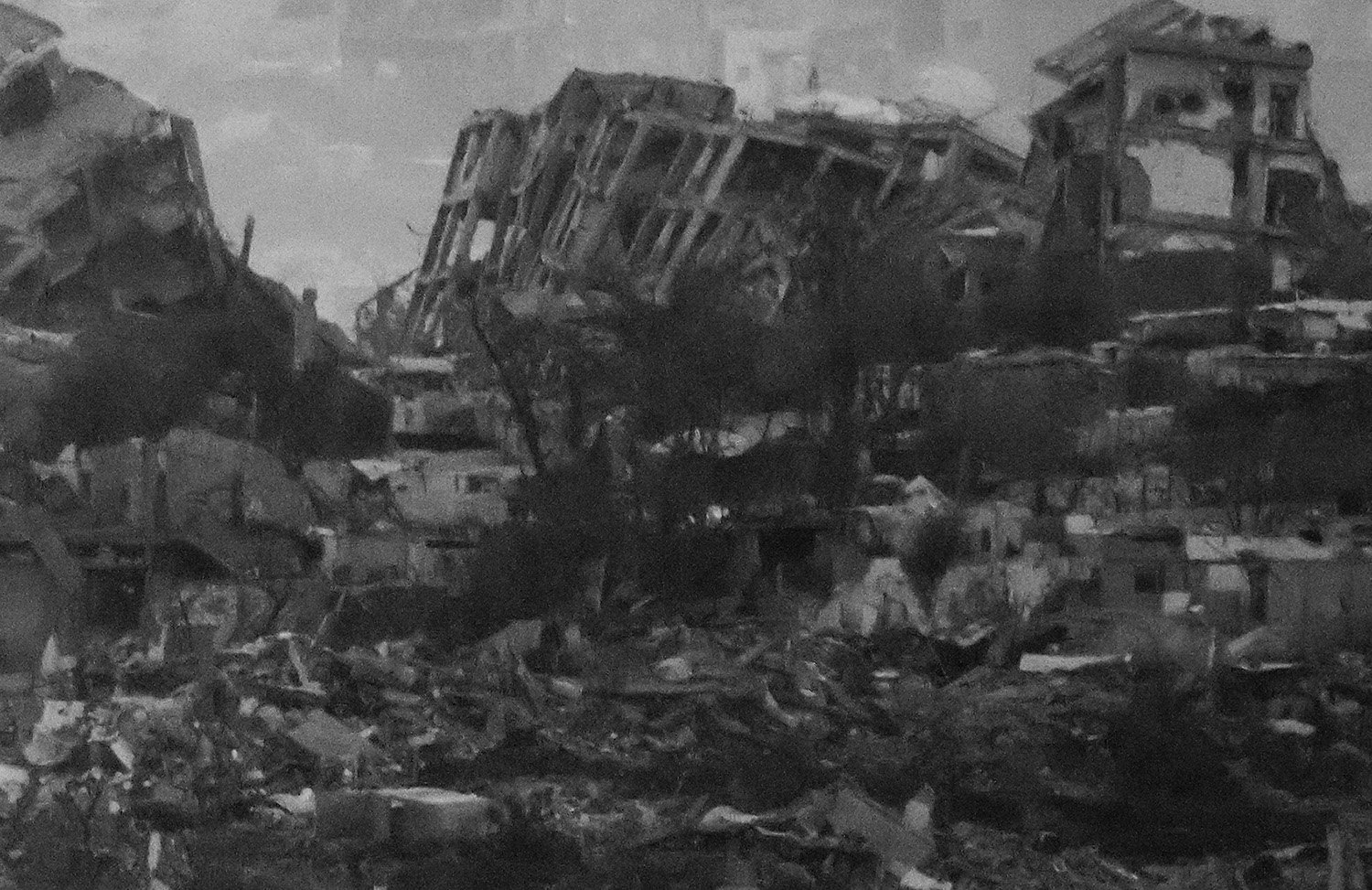
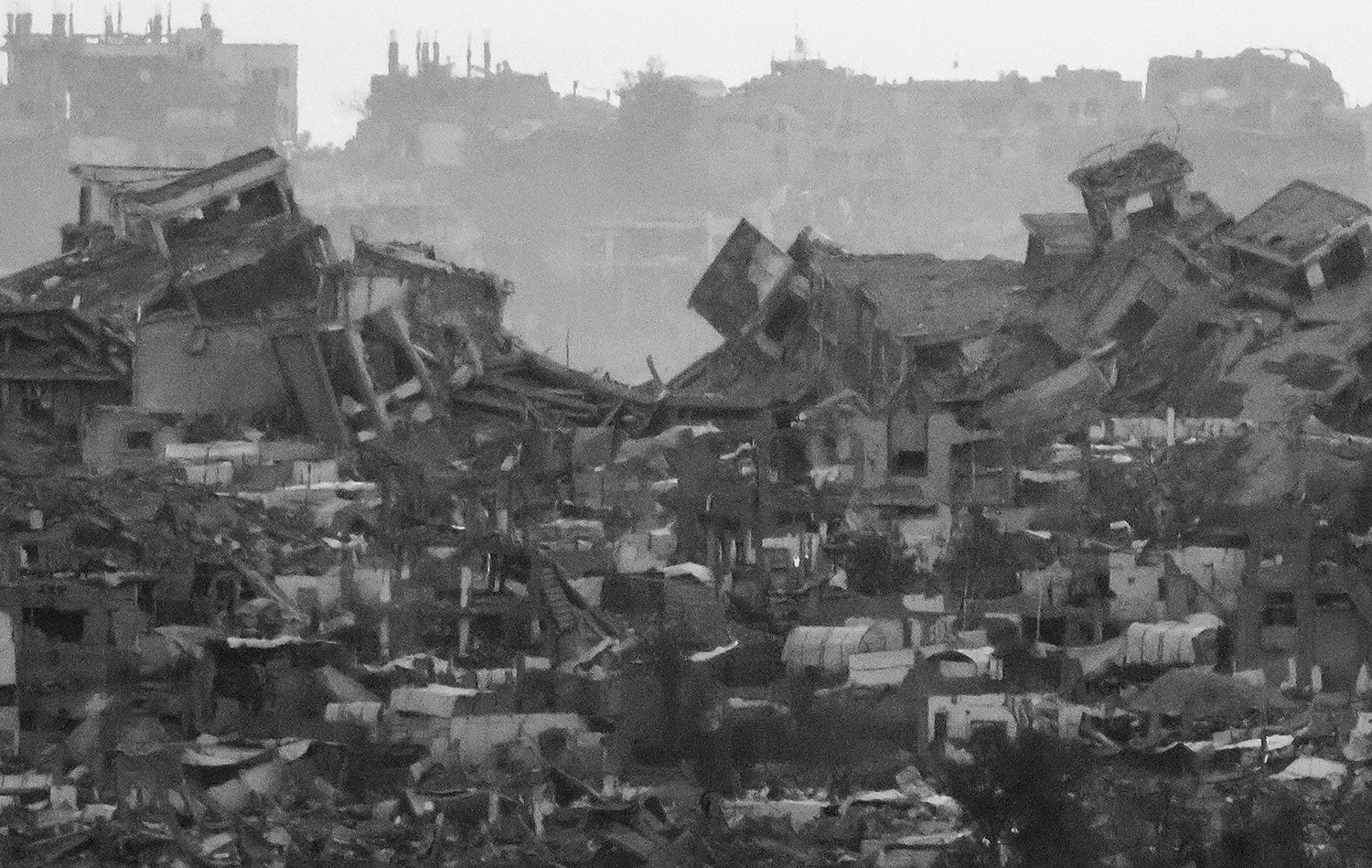
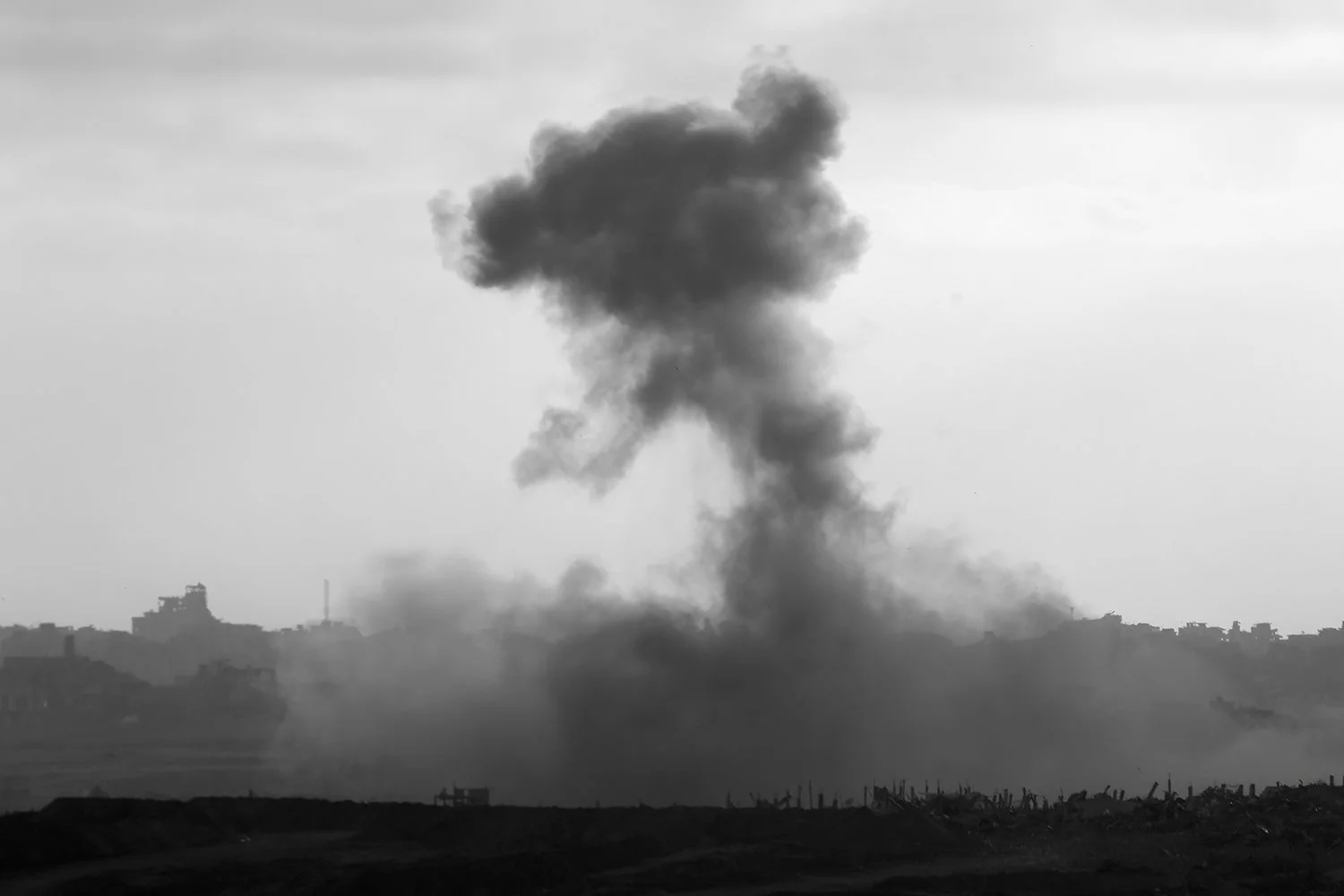
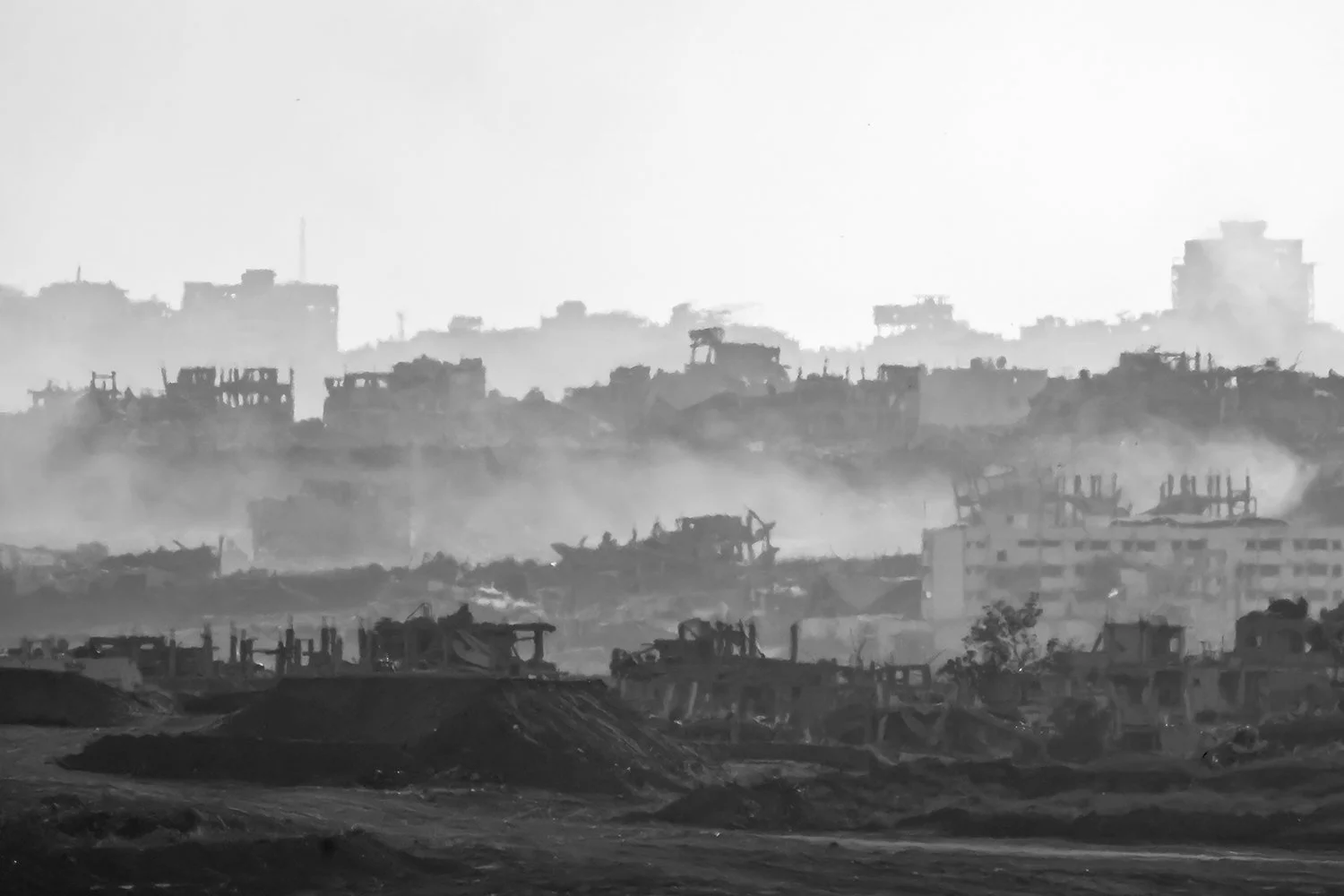
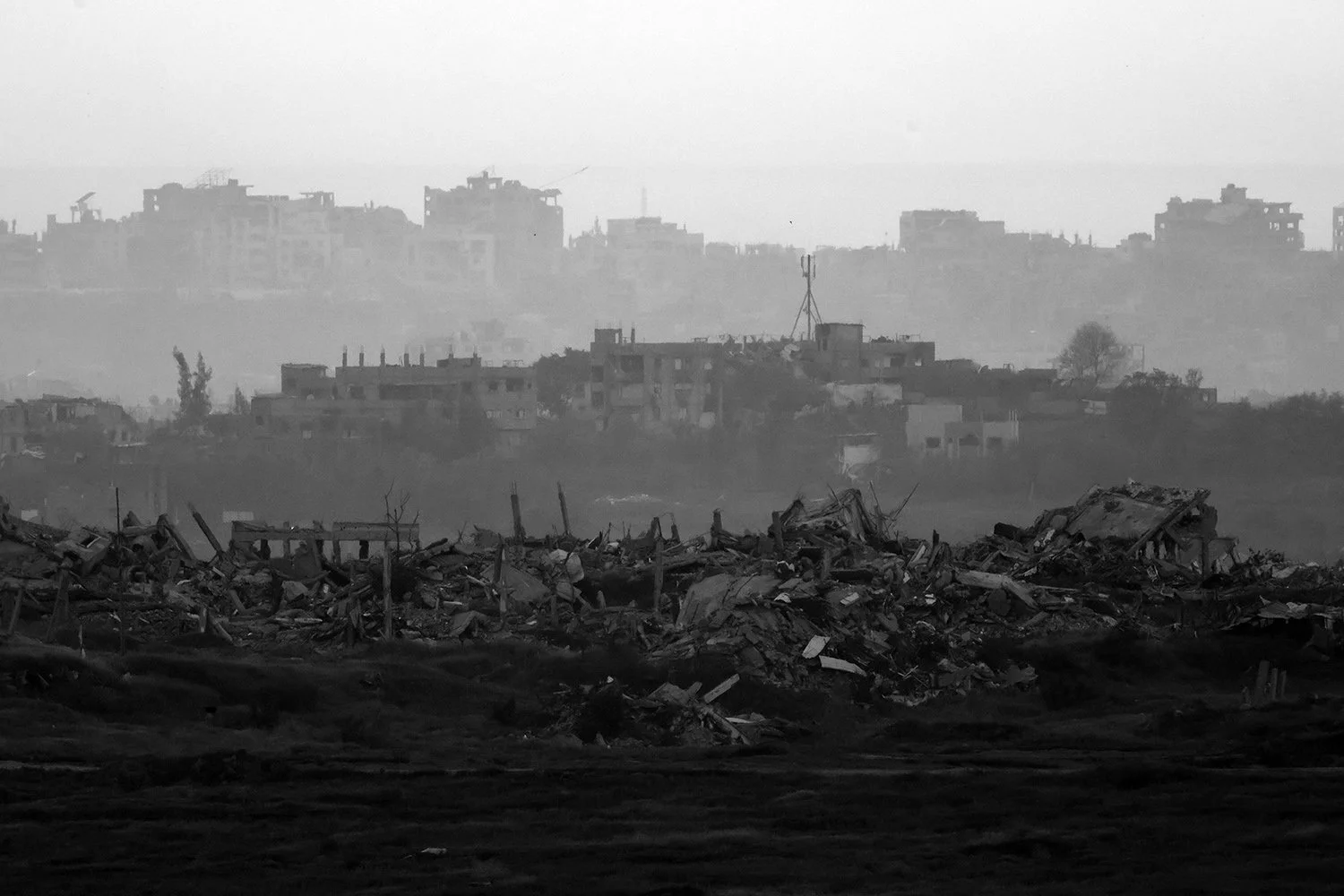
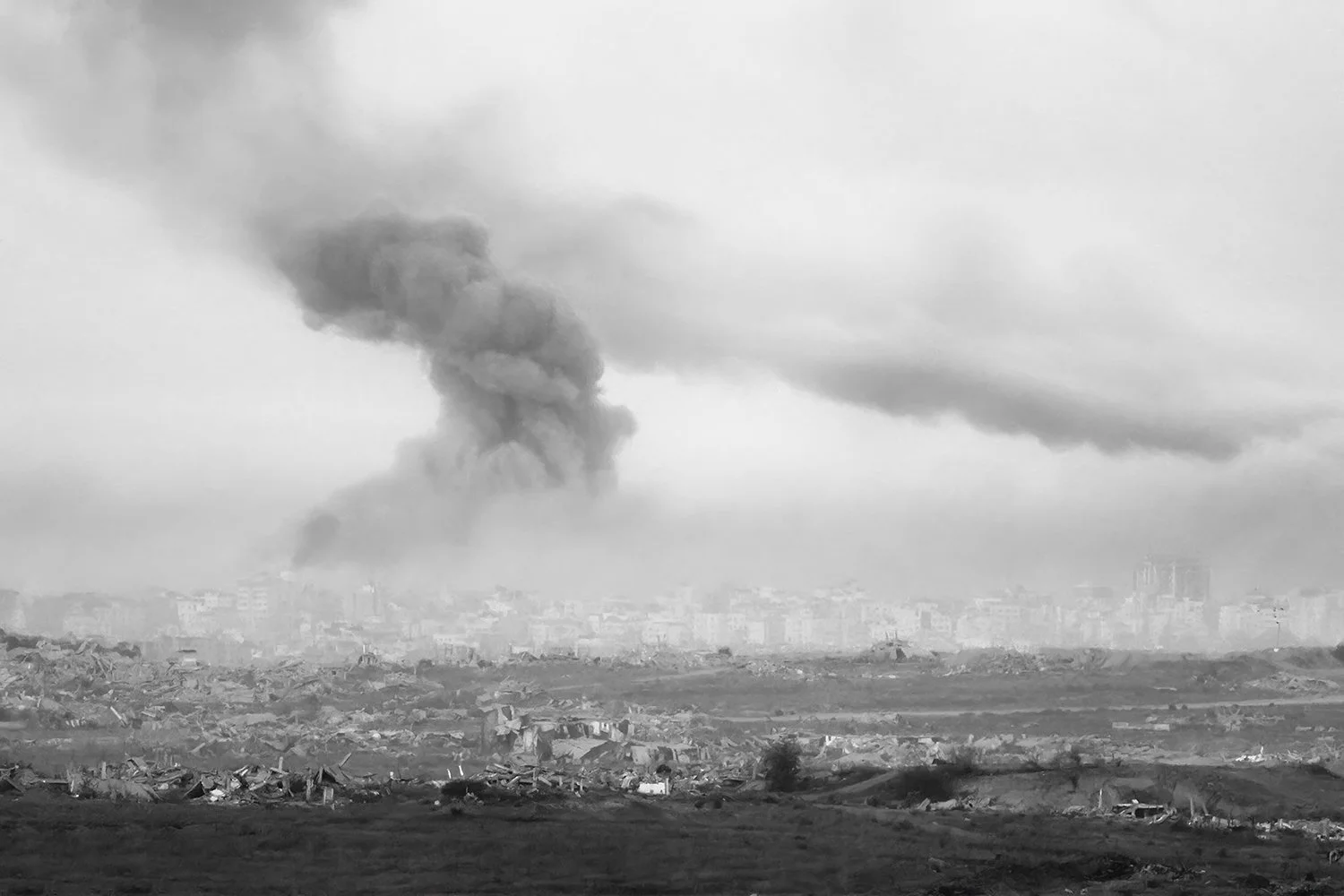
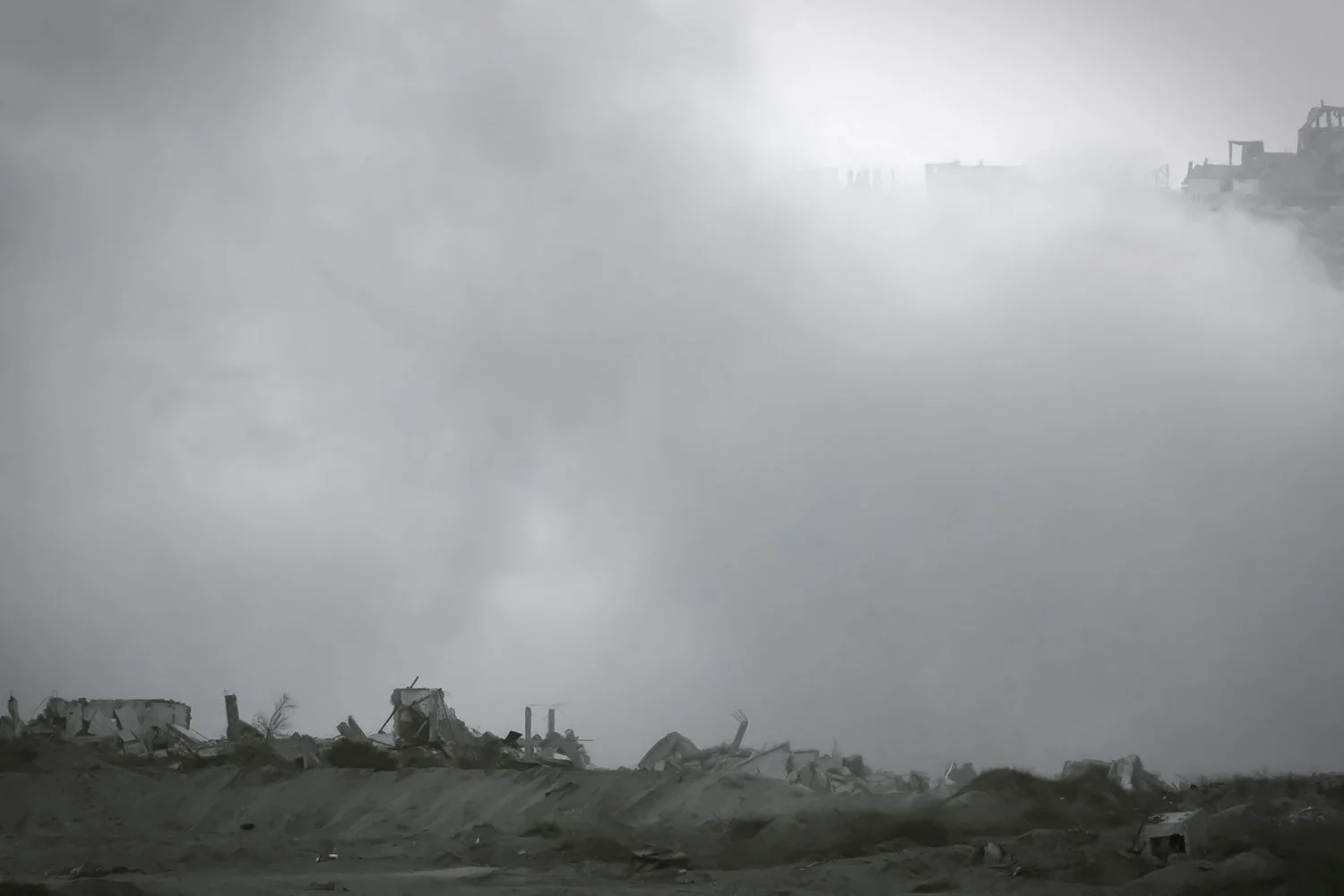
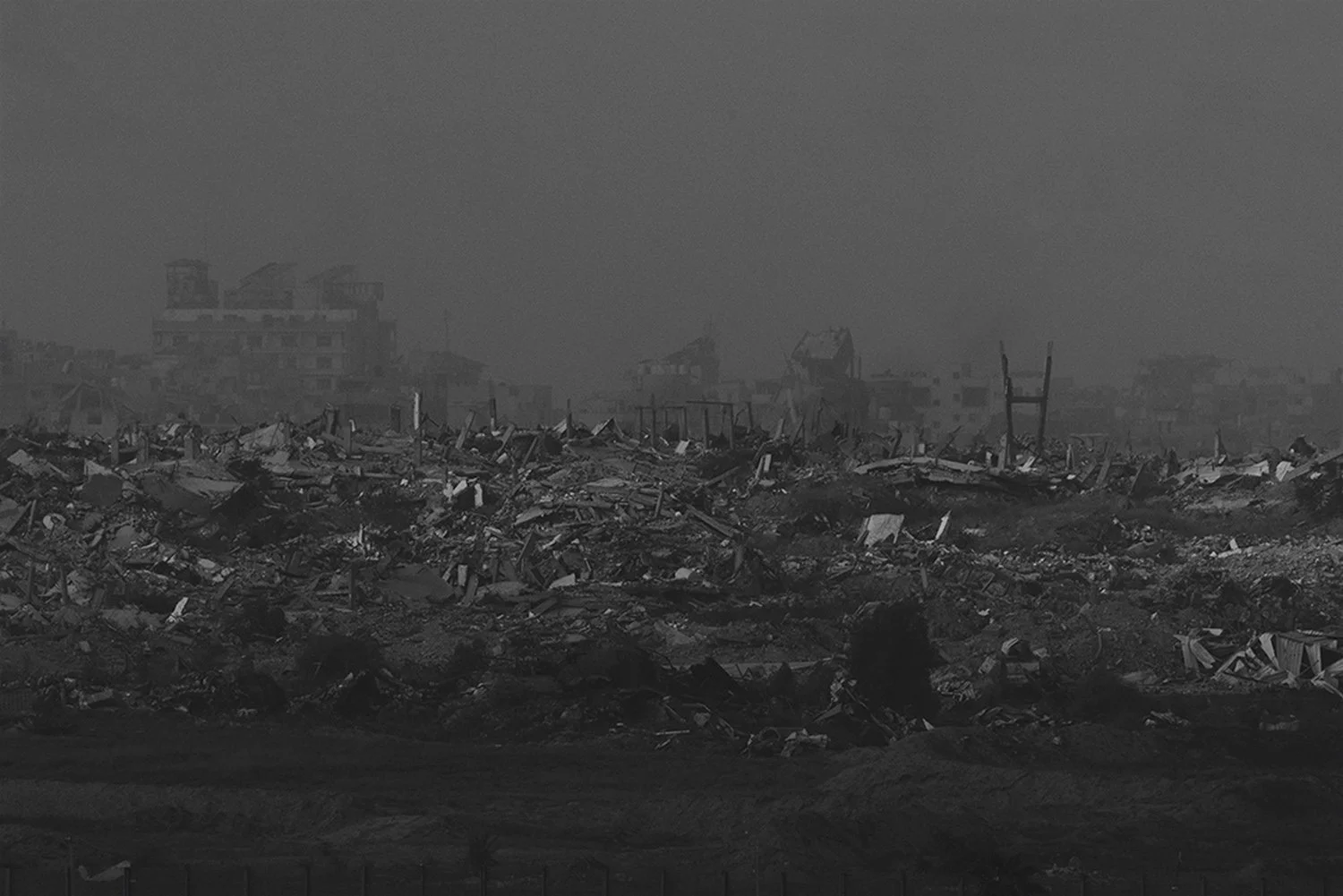
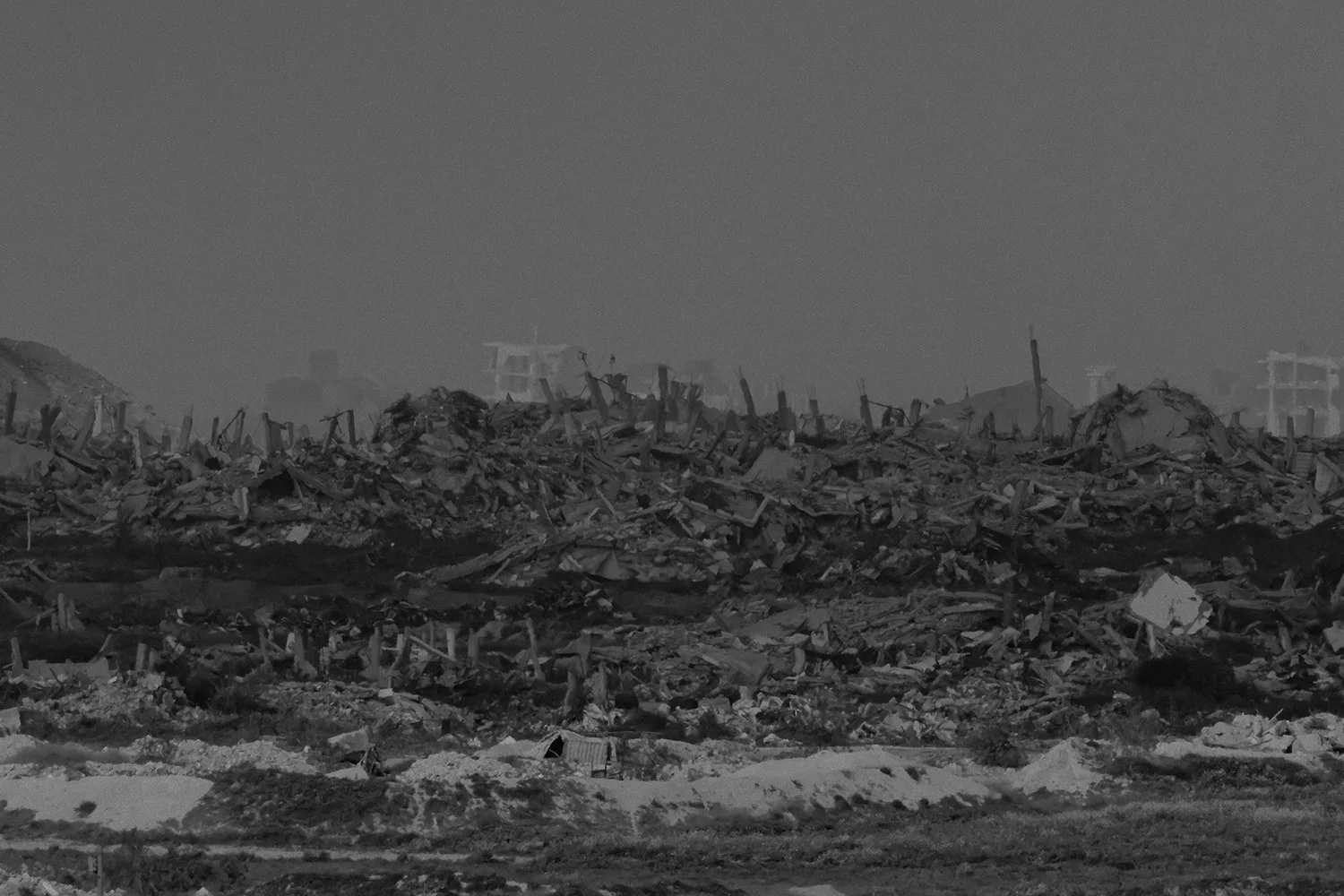
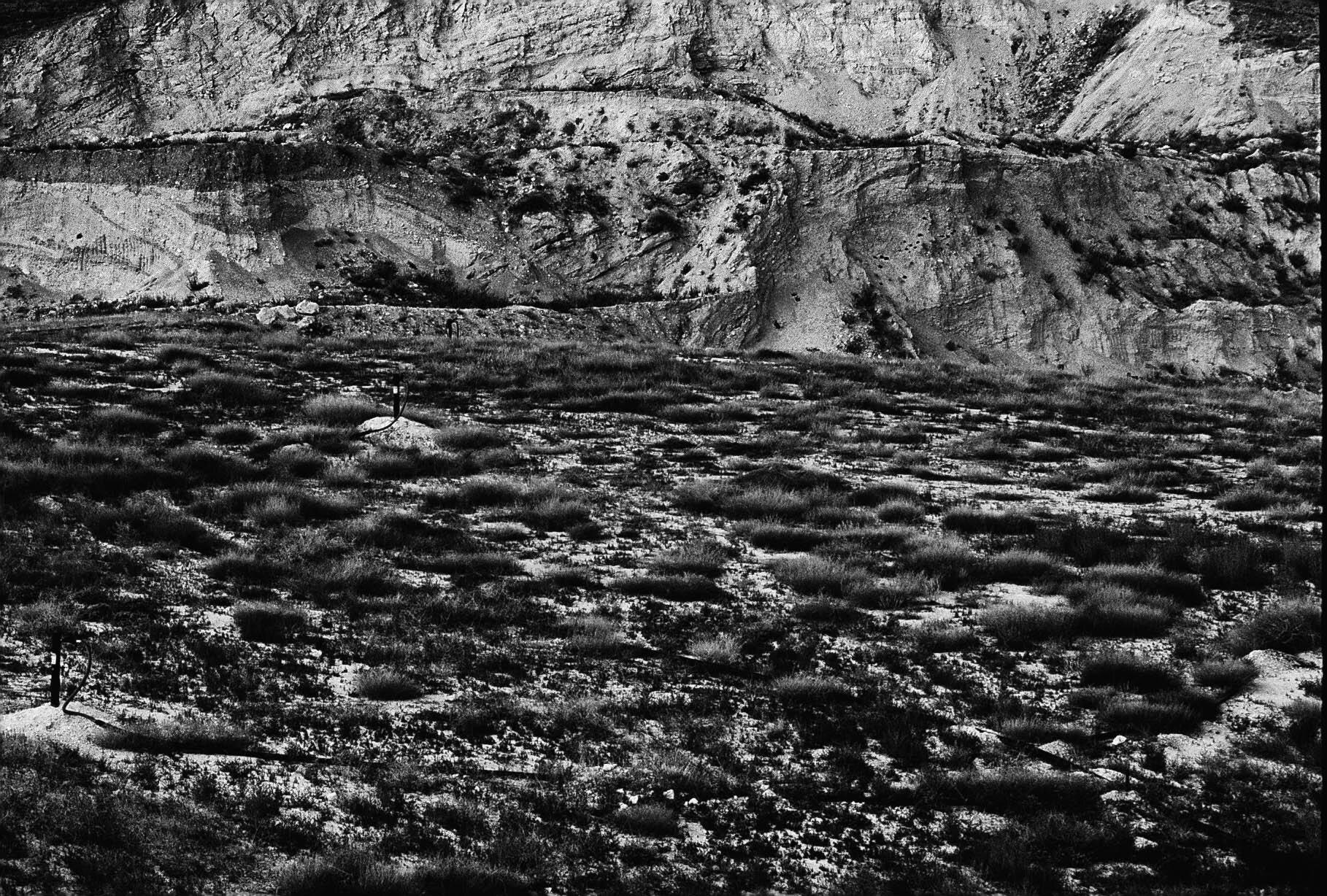
For over a year, I have documented the perimeter zones near Beit Hanoun and Gaza City, which form a closed military buffer area under continuous destruction. Working from two fixed observation points, I use telephoto lenses at their optical limits to photograph a landscape visible only from afar, building a visual archive of erasure over time.
I see this landscape not as static terrain but as a living, metabolic system reshaped by cycles of destruction and accumulation. By returning repeatedly to the same coordinates, I trace the perimeter as an organism in constant transformation: earth, debris, and dust dispersing, settling, and reconfiguring. Moments of bombardment appear as monumental apparitions, with plumes of smoke and debris recalling Goya’s Colossus, a monstrous figure looming over devastation. Dust and haze act as material agents of erasure, veiling the boundary between the visible and the unspeakable.
The images dwell in the collapse of the digital grain itself: pixels disintegrate as structures collapse. Atmospheric distortion, winter shadows, and optical noise function as both concealment and exposure, forming a testimony in which the metabolism of ruin consumes architecture and photograph alike. Yet amid human absence, fragile material life persists shifting dust, faint light, and the tremor of matter. I return to these coordinates with cautious hope that one day this documentation will extend beyond destruction to witness reconstruction.
This project was selected as a finalist for Photolucida’s Critical Mass 2026.
The series is currently ongoing and available for exhibition, international programming, and multi-platform publications.
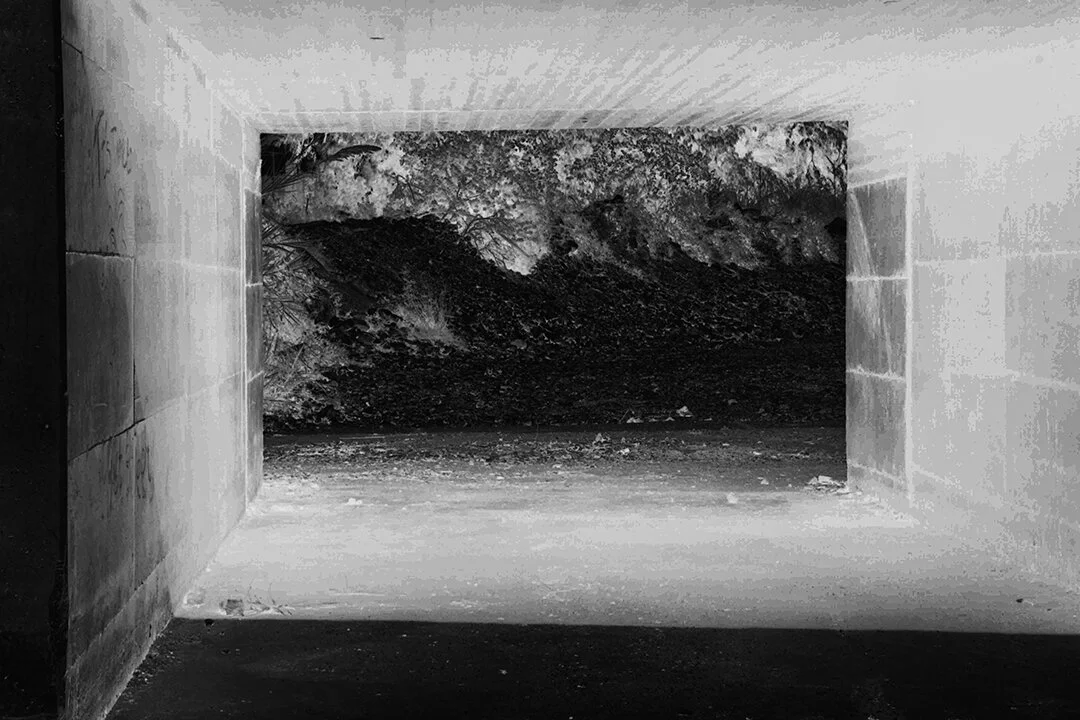
This series reflects a personal journey after the first lockdown of the pandemic, characterized by uncertainty. I found myself photographing underground water passages experiencing a frame shift of familiar landscapes. When the image is inverted, there is a stronger emotional correlation to my change in perspective of the strange unfolding events.
The passages are laminal zones, in-between places for self-reflection and places of uncertainty. The inverting process is an intermediate phase between seeing the object and a photographic print. Thus, the negative reflects the presence in the water passages.
The image inversion to a negative creates a three-dimensional effect that surprises me. The negative images resemble giant screens placed in enclosed spaces embedded with a strange and alienated landscape. This mysterious and ambiguous space is not initially recognized as a site for the passage of water, a metaphor for a basic element to sustain life.
The inversion of black and white in these images shifted most of the images from their familiar surroundings and transferred them to the Sci-fi space. It is reflected in the transformation of the light sky hue into dark black tones. The water photographed in one of the images also became a black liquid and alienated from the sky. In most of the images, the grey tones are dominant. Like the passages, they are in between black and white.
The challenging exploration of the passages provided an opportunity for self-reflection. From time to time, I found peace within the shady aisles. I examined the photographs before the transformation and tried to guess what they would look like after the processing. Needless to say, I was always taken by surprise during the image inversion process.
Adding the coordinates is an indexical presence. Thus, inputting image 31.489400 34.937853 coordinates into google maps takes the viewer to an intersection of a roadway with a creek adjacent to the "1949 Armistice Agreement Line". This data creates a further mystery and political interpretation to the passages series, and it is placed in front of the viewer to decipher.
This urban landscape series reflects my anxiety and uncertainty as to how my world was turning inside out during the pandemic events. My question is, would the unfolding changes ever revert to the normal conditions that we once knew?
Borderscapes, as defined by Rajaram & Grundy War (2007), are spaces that are perceived, represented, and lived-in as “a way of thinking through, about, and of alternatives to dominant landscapes of power. They constituted political negotiations, claims, and counterclaims. They are a zone of variated and differentiated encounters.”
Borderscapes series attempts to draw comparisons between an interpretative vision of a place and its "realistic" representation.
It seems as if you are looking at some distant past and at a representation of a war that may have happened. Yet, there is also a sci-fi quality that leaves the feeling you are looking through a portal and catching a glimpse of a possible future.
Dozens of commandos from the Egyptian army’s 33rd Battalion were killed in the 1967 war at No Man’s Land in Latrun (Israel) and were buried in an unmarked mass grave. Their remains are still there, presumably beneath a tract that is now used as a parking area by a tourist attraction.
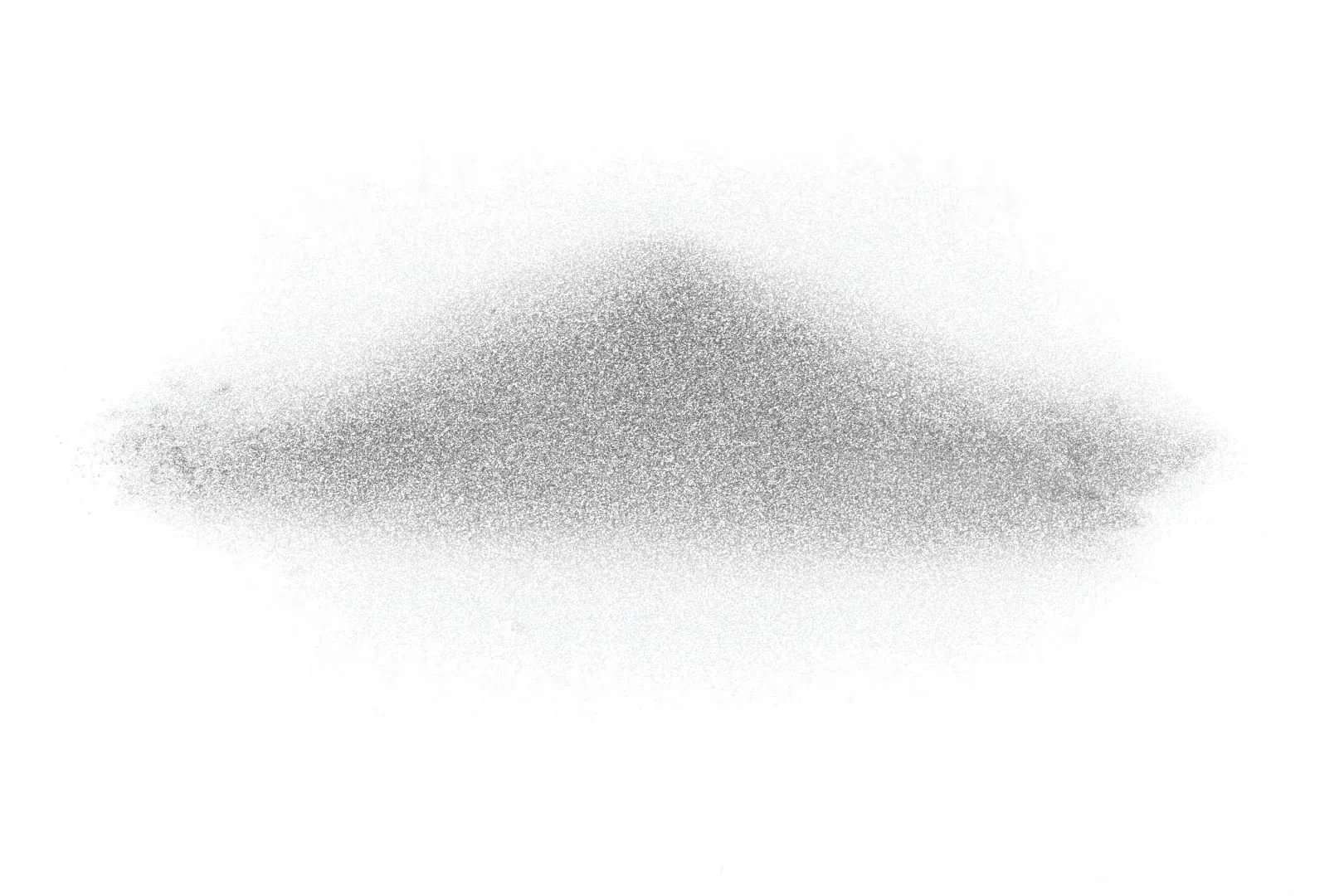
This series reflects my thoughts on the aftermath, based on a testimony of Ze’ev Bloch, who served as the regional commander. The site, surrounded by pastoral fields and plantations, has no visible marks. I express the horrible trauma with abstract images to reflect the absence of physical evidence.
The silence lasted for over fifty years, and the lack of political action in the field led me to this act of honoring the memory of the dead.
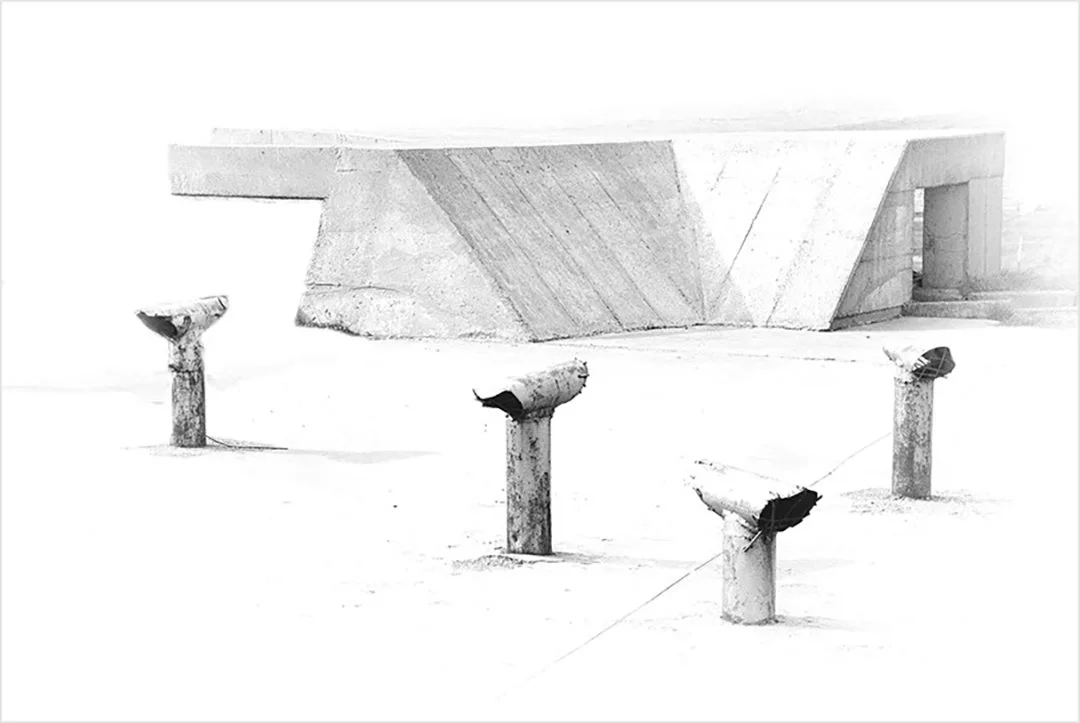
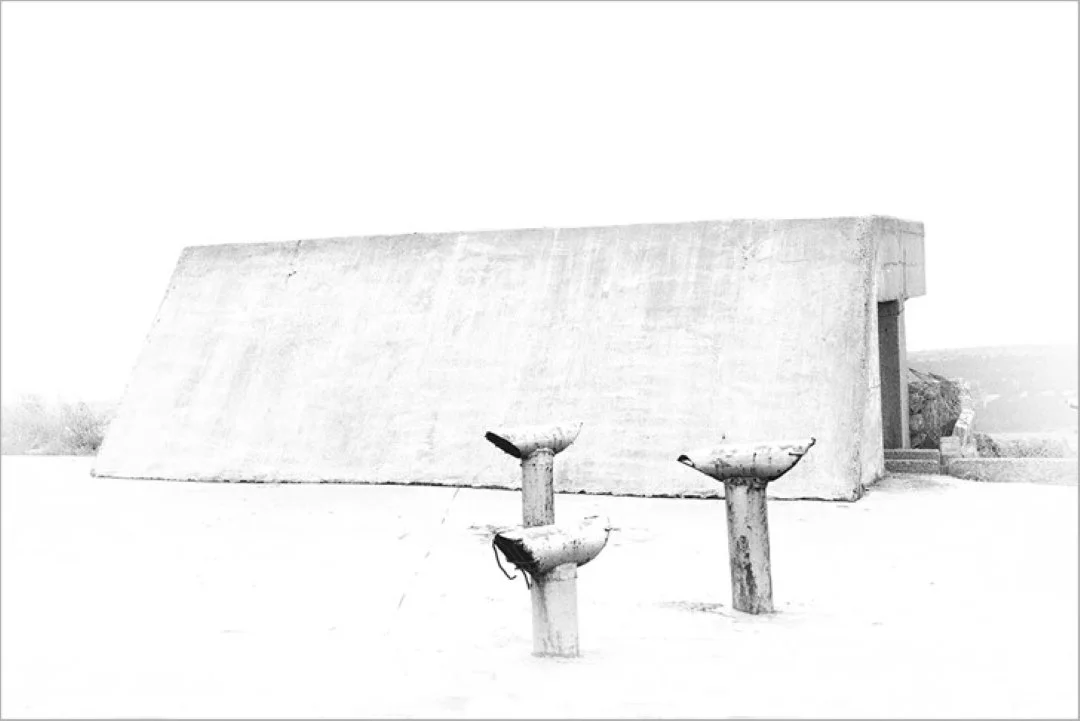
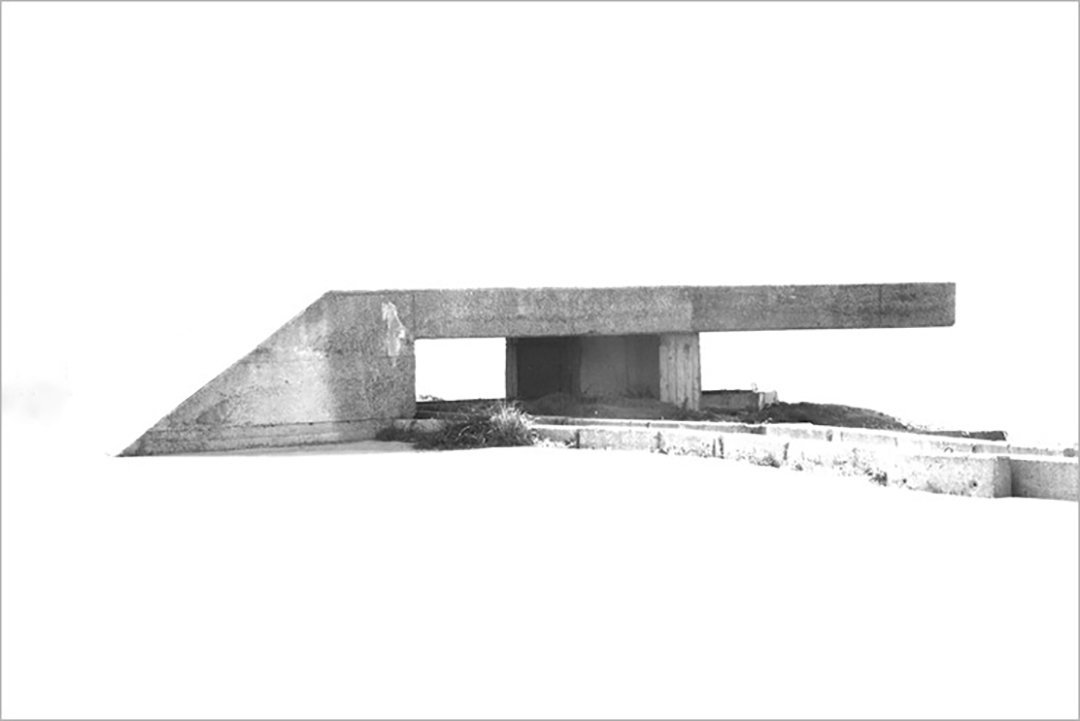
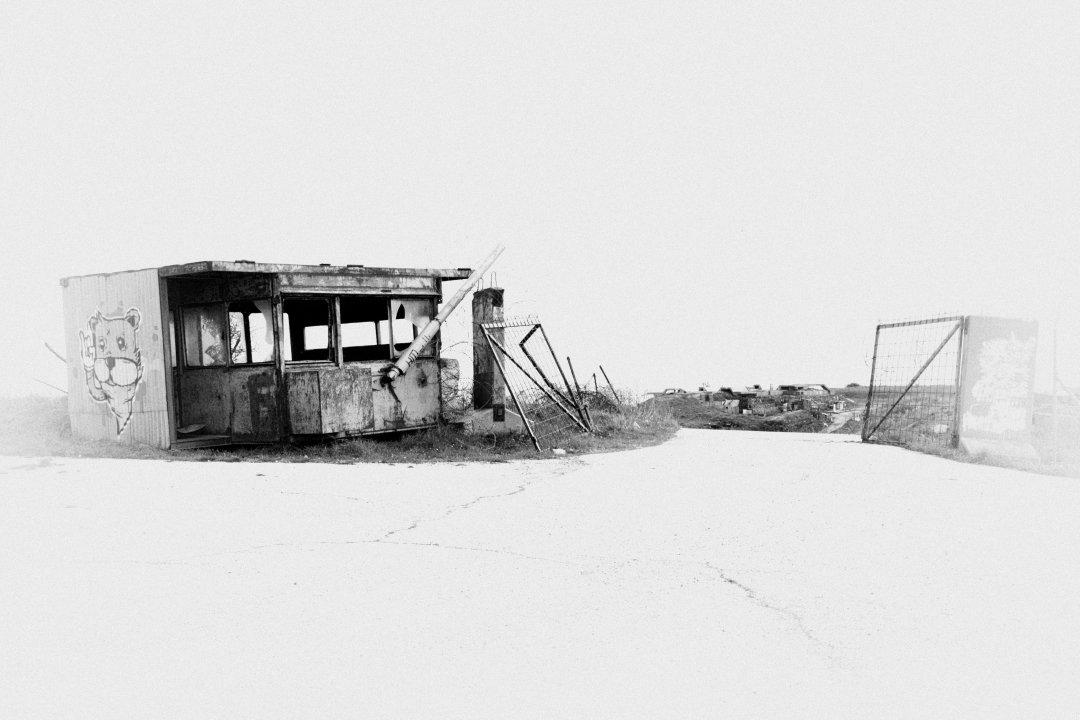
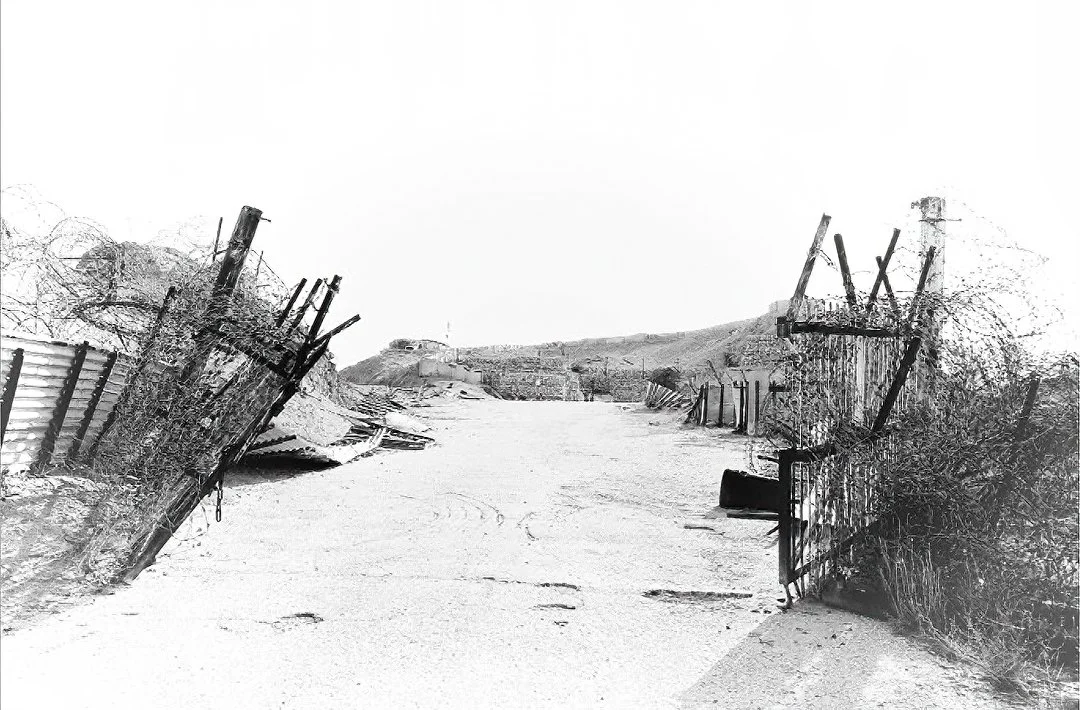
Hollow Land series (2018–2025) documents Israel’s border landscapes and the effects of geopolitical power on space. Inspired by Hollow Land by Eyal Weizman and Necropolis by Gilad Ophir and Roi Kuper, I examine how military fortifications are absorbed into the environment, some reduced to ruins, others concealed by vegetation. While some persist as monuments resembling science-fiction sites, my work adopts a lyrical gaze that reveals layers of time and memory in the occupied landscape.
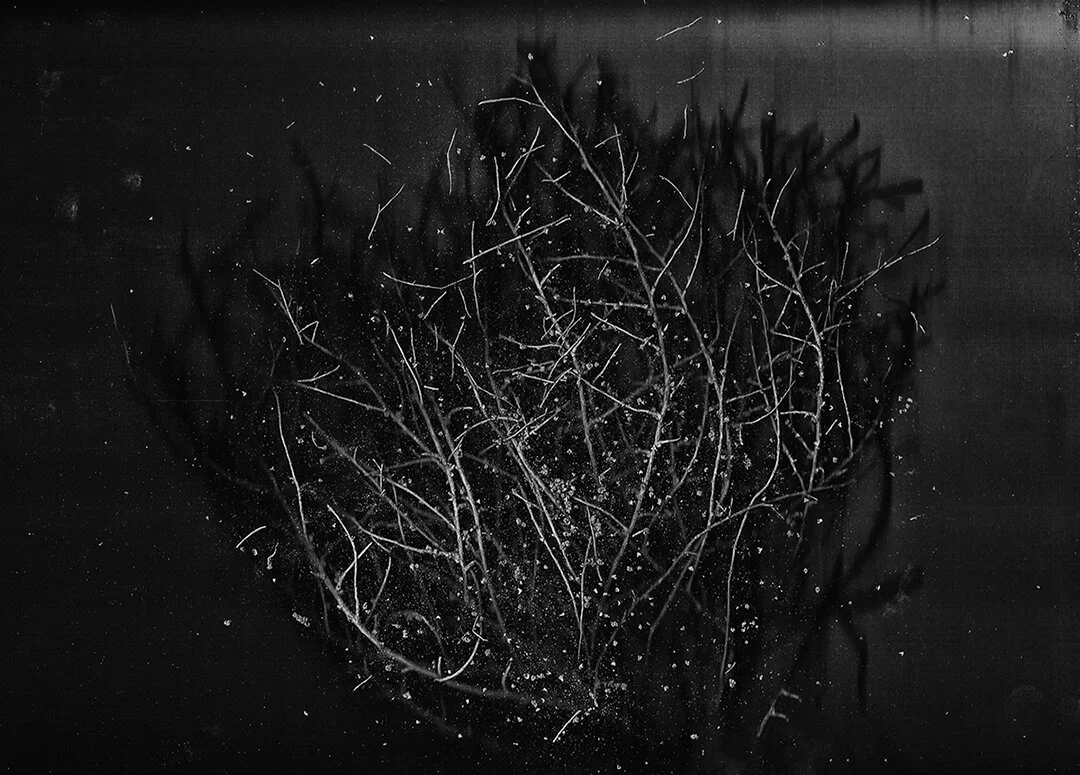
Metaphors from a Tempus Malum represent an imaginary archive of a journey during the first lockdown, embedded with fragments of monochromatic images of scanned botanic species.
The series was created during the first lockdown of the Coronavirus epidemic when personal space was minimized and there was a sense of an apocalypse.
At that time, I needed a calm reflective space in which I could reflect the feeling of helplessness, fear, and uncertainty. This series seeks to create a metaphor for the corona epidemic based on the natural process of seed dispersal. The imaginary anthropomorphism process aims to deconstruct the stages of the epidemic and find parallel images in plant dispersal.
I started to collect dry plants, seeds, and thorns during the first lockdown on my morning walk that exceeded the permitted range (an act of a personal protest(.
The in-depth observation of plants reflected the course of the epidemic: the spreading phase, the lockdown, the capsules, the mass infections due to public gatherings and death experienced, and the hope for a vaccine.
The choice of scanning rather than photography contributed to the experience of confinement: spending your time in a dark space, in which the scanner light flashes and illuminates the plant samples.
These scans are therefore an attempt to touch objects, minimize them, change and uproot them from their habitats. This tendency to concretization versus abstraction. All images are loaded fragments devoid of their colors, disconnected from the continuum of life, and are now floating in black frightening emptiness.
Thus, scanning seed’s pods simulate states of isolation and social remoteness and the large density of seeds reflects a mass infection event.
These images are all attracted to each other through the power of trauma. The trauma, which constantly stands between the political and the mental, between concrete and abstract, is like a fragment that is simultaneously touching and detached.
In “Uncommon Ground: Rethinking the Human Place in Nature“ William Cronon writes that wilderness is the last remaining untouched place by civilization, isolated from modernity. “…. the one place we can turn for escape from our own too-muchness”.
But wilderness doesn’t stand apart from humanity, ït is a product of civilization at particular cultures and timelines. Looking at Nature is a self mirroring reflections.
William Cronon, ed., Uncommon Ground: Rethinking the Human Place in Nature, New York: W. W. Norton & Co., 1995, 69-90.
Captured during the turbulent months of the COVID-19 pandemic, this series explores the metamorphosis of migrating butterflies as a metaphor for emotional upheaval in a time of profound uncertainty. The transformation of delicate pupae into ephemeral butterflies is juxtaposed with their eventual entrapment in spider webs, where they become mummified remnants of fleeting vitality.
The choice to present these images in black and white is deeply rooted in my photographic style, which I have cultivated over many years. For me, black-and-white photography is a dialogue with the history of the medium, bridging past and present, place and time. There is an enchanting poetic quality to the interplay between light and shadow, a timeless resonance that emerges within the spectrum of black and white. This tonal range distills the essence of the subject, stripping away distractions to focus on form, texture, and emotion.
The polished, marble-like appearance of the butterflies and their cocoons evokes a sense of permanence, contrasting their fragile and transient existence. This interplay between fragility and resilience mirrors my personal dialogue during a chaotic period, reflecting an inner struggle to find balance between movement and stillness, freedom and entrapment. The stark monochrome palette amplifies this tension, emphasizing the delicate beauty of nature’s cycles of transformation and decay.
"Metamorphosis" transforms quiet, natural processes into symbols of strength and vulnerability, inviting viewers to reflect on the fleeting beauty of life and its inevitable entanglement with decay. Through these images, I seek to create a visual and emotional space where the ephemeral meets the eternal, and where the poetry of metamorphosis resonates beyond the frame
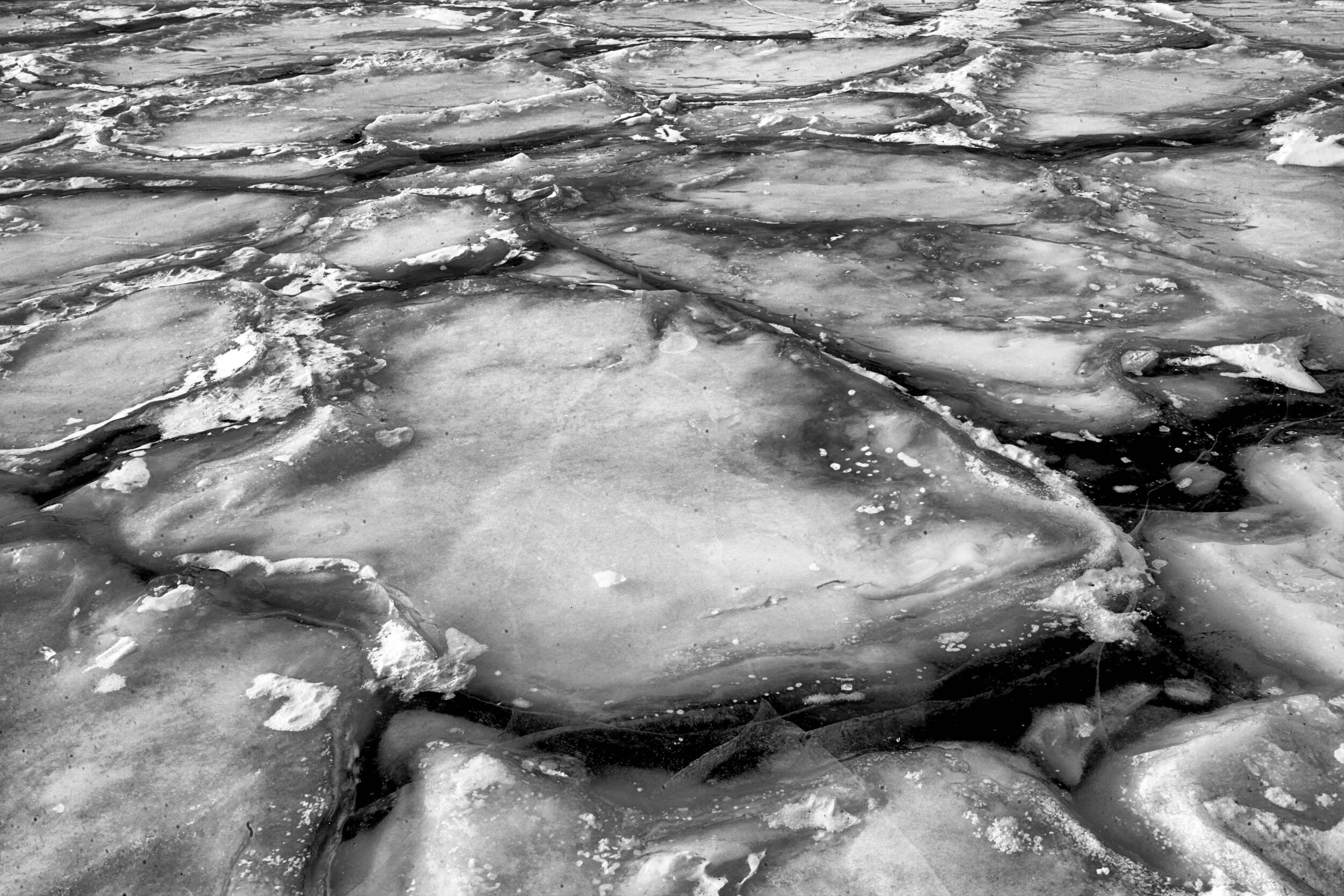
“In the darkness of the dead times,
In the place where Baikal waves
Now roam free and wild…
There were no animals or men:
Only large rocks stood around.
Then grief came down and fell upon the rocks,
And stopped the dance of the faded dreams of olden days
The rocks were buried by the restless Baikal
Born out of their late and bitter tears.”
Aleksander Oborin, 1920’s
Anat Icar Shoham © 2026